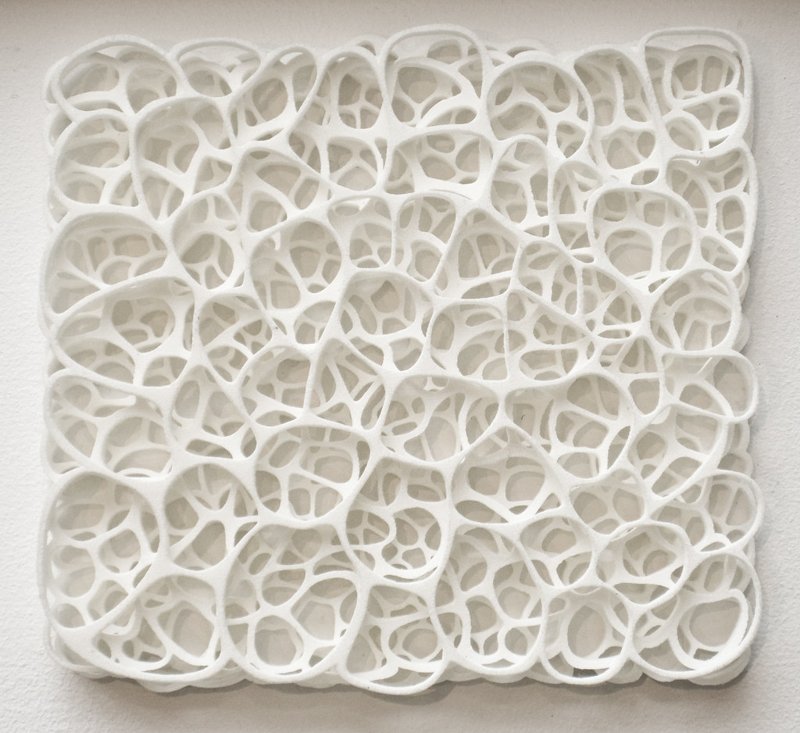
Inspiration Archive
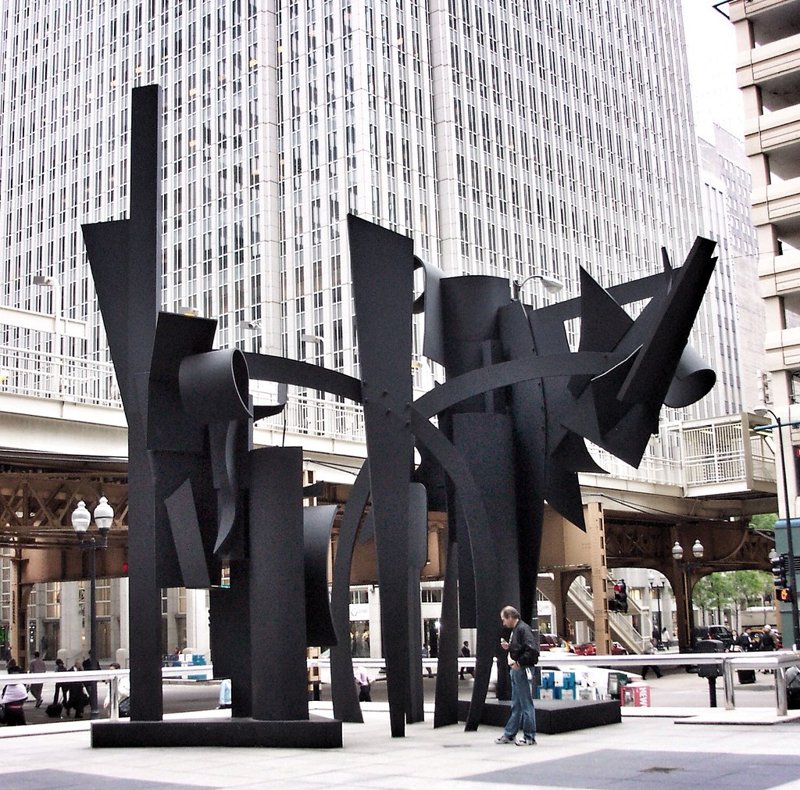
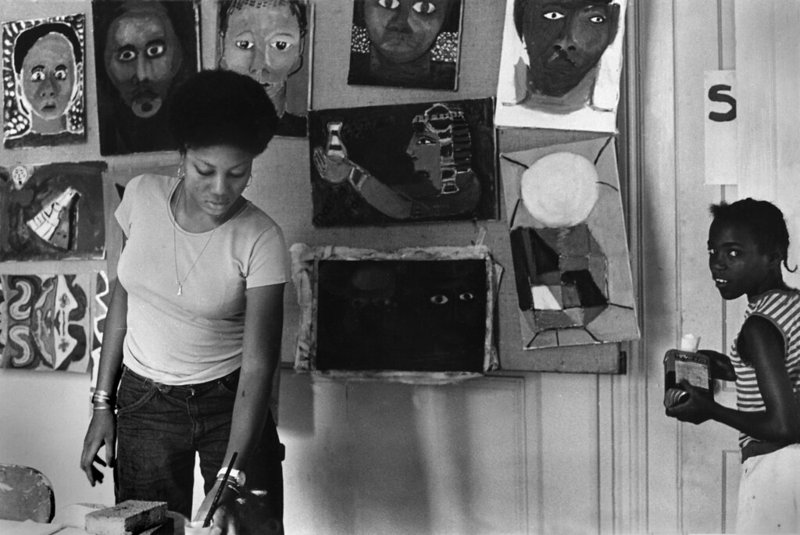
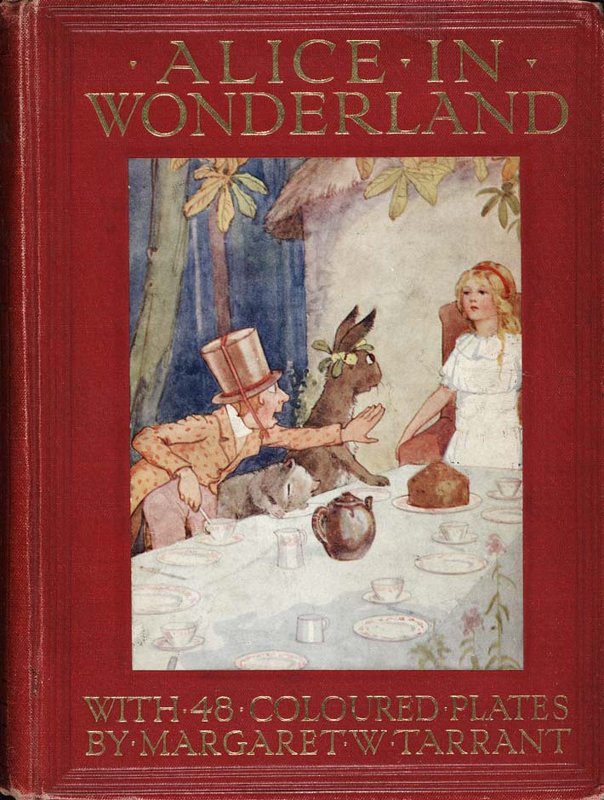
Every day we choose a work at random from Creative Commons visual art via Openverse (picks made before 12 November 2026 were weekly). Each card records the title, author, source and licence (TASL). Please check the licence and attribution requirements before printing; not all Creative Commons licences permit commercial use on merchandise such as mugs.
How Creative Commons licensing works
Creative Commons is a nonprofit that provides free legal tools so creators can share their work and others can reuse it on clear, standardised terms. There is no single “Creative Commons licence”: there is a core suite of six copyright licences, plus tools for works already in, or dedicated to, the public domain. Before you use a work, check which licence — and which version — applies to it.
The four licence elements
The six licences are built from four conditions:
- Attribution (BY) — Credit must be given to the creator. Every Creative Commons licence includes this requirement.
- ShareAlike (SA) — If you adapt the work, you must share the adaptation under the same or a compatible licence.
- NonCommercial (NC) — Only non-commercial use is permitted. “Non-commercial” means not primarily intended for or directed towards commercial advantage or monetary compensation.
- NoDerivatives (ND) — You may copy and share the work only in unadapted form. No derivatives or adaptations are permitted.
The six licences, CC0, and the Public Domain Mark
From most to least permissive, the six licences are:
- CC BY — You may distribute, remix, adapt, and build upon the work, including for commercial use, if you give credit to the creator.
- CC BY-SA — The same permissions, and if you adapt the work you must license the modified material under the same or a compatible licence.
- CC BY-ND — You may copy and distribute the work in unadapted form, including for commercial use, if you give credit. Adaptations are not permitted.
- CC BY-NC — You may distribute, remix, adapt, and build upon the work for non-commercial purposes only, if you give credit.
- CC BY-NC-SA — Non-commercial use with credit, and adaptations must be shared under the same or a compatible licence.
- CC BY-NC-ND — You may copy and distribute the work in unadapted form, for non-commercial purposes only, if you give credit.
CC0 1.0 is a public domain dedication, not a licence. A rights holder who applies it waives copyright and related rights to the extent allowed by law, so others may copy, modify, distribute, and use the work — including commercially — without asking permission. The Public Domain Mark is a tool for labelling a work that is already in the worldwide public domain.
How to give credit (TASL)
When you reuse a Creative Commons–licensed work, recommended attribution includes the Title, Author, Source, and Licence — remembered as TASL. Name and link each of those where you can. Attribution can take a form that is reasonable for the medium; there is no single required layout.
Why our daily picks exclude NC and ND
This store sells printed mugs, which is a commercial use. Licences that include the NonCommercial (NC) element do not permit uses primarily intended for commercial advantage or monetary compensation, so we do not feature NC works here. Licences that include the NoDerivatives (ND) element allow a work to be shared only in unadapted form. Whether a change is an adaptation depends on applicable copyright law; printing an image on a mug may count as an adaptation, so we also exclude ND works. Our daily picks are limited to CC BY, CC BY-SA, CC0, and works marked with the Public Domain Mark.
If you upload Creative Commons art for your own mug
If you upload a Creative Commons work to print on a mug, check that work’s specific licence and version yourself, and give the creator credit unless the legal tool does not require it. CC0 does not legally require attribution, though crediting the source is still recommended. A Creative Commons mark is not a blanket permission for every use, and you remain responsible for following the terms that apply to the image you chose.
What a Creative Commons licence does not cover
Creative Commons licences grant permissions under copyright and similar rights only. They do not license trademark or patent rights, or the publicity, personality, or privacy rights of third parties. Some works also incorporate material owned by others (“third-party content”). You may need separate permission for those rights or that material.
This page is general information, not legal advice. It is not a substitute for reading the licence or legal tool that applies to a work, or for advice from a lawyer about your particular use.
Official sources: Creative Commons licences; CC0 1.0; Public Domain Mark 1.0; recommended practices for attribution; Creative Commons FAQ.